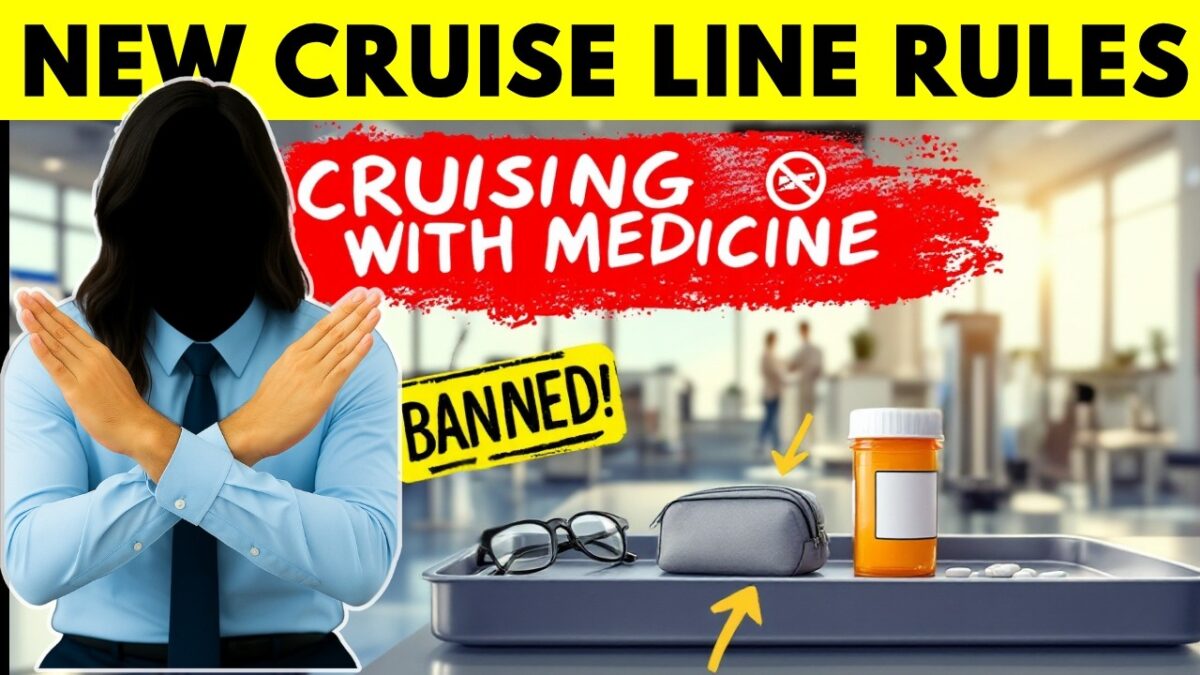
With cruise bookings reaching record highs in 2026 and exciting new ships like Royal Caribbean’s Icon of the Seas setting sail, millions of travelers are planning their dream vacations. However, stricter medication restrictions could turn your cruise dreams into a port-side nightmare if you’re not properly prepared. Understanding these medication restrictions is crucial for ensuring smooth embarkation and avoiding the heartbreak of being denied boarding.
Table of Contents
- New 2026 Cruise Line Medication Policies
- Why Medication Restrictions Have Become Stricter
- Common Medications That Could Get You Denied Boarding
- Controlled Substances and Pain Medications
- Injectable Medications
- Refrigerated Medications
- Essential Documentation Requirements
- Prescription Bottles and Labels
- Doctor’s Letter
- Medical Device Documentation
- Smart Packing Strategies for Cruise Medications
- Carry-On Essentials
- Quantity Planning
- Special Storage Considerations
- What to Do If Problems Arise
- Planning Ahead for Medication Needs
- Frequently Asked Questions
Recent changes in cruise line policies have caught many passengers off guard, with some common prescription medications now requiring special documentation or being restricted entirely. Whether you’re a first-time cruiser or a seasoned sailor, staying informed about these evolving rules is essential for hassle-free travel.
New 2026 Cruise Line Medication Policies
Cruise lines have significantly tightened their medication policies in 2026, implementing more stringent screening processes at embarkation ports. These changes stem from increased security measures and international maritime regulations that affect vessels traveling between multiple countries.
The updated policies now require enhanced documentation for many prescription medications, particularly controlled substances, injectable drugs, and medications requiring refrigeration. What makes these restrictions particularly challenging is that each cruise line may have slightly different requirements, and some medications that were previously acceptable now require special clearance.
Why Medication Restrictions Have Become Stricter
Several factors have contributed to these tighter restrictions:
– Enhanced international security protocols
– Stricter customs enforcement at various ports
– Increased liability concerns for cruise lines
– New maritime safety regulations
– Rising incidents of medication-related issues onboard
Common Medications That Could Get You Denied Boarding
Understanding which medications might cause issues is the first step in proper preparation. While this isn’t an exhaustive list, these categories frequently cause problems at embarkation:
Controlled Substances and Pain Medications
Opioid pain medications, benzodiazepines for anxiety, and ADHD stimulant medications often require the most documentation. These include popular prescriptions like:
– Oxycodone and hydrocodone-based pain relievers
– Anxiety medications such as Xanax, Ativan, and Valium
– ADHD medications including Adderall and Ritalin
– Sleep aids like Ambien and Lunesta
Injectable Medications
Any medication requiring injection, including insulin for diabetes, EpiPens for allergies, and fertility treatments, needs special consideration. Even common medications like insulin pens require proper documentation and storage planning.
Refrigerated Medications
Medications requiring refrigeration present unique challenges on cruise ships. While most modern vessels can accommodate these needs, advance notification and proper documentation are essential.
Essential Documentation Requirements
Proper documentation is your best defense against boarding denial. Here’s what you absolutely need:
Prescription Bottles and Labels
Always keep medications in their original prescription bottles with pharmacy labels clearly visible. The label must show:
– Your full name (matching your cruise documents)
– Prescribing physician’s information
– Medication name and dosage
– Prescription date and number
– Clear expiration date
Doctor’s Letter
For controlled substances, injectable medications, or large quantities of any prescription drug, obtain a letter from your prescribing physician. This letter should include:
– Your medical condition requires the medication
– Dosage and administration schedule
– Duration of treatment
– Doctor’s contact information and medical license number
Medical Device Documentation
If you use medical devices like CPAP machines, nebulizers, or glucose monitors, bring documentation proving medical necessity and any required power specifications.
Smart Packing Strategies for Cruise Medications
Proper packing can prevent medication disasters and ensure you have everything needed throughout your cruise.
Carry-On Essentials
Never pack essential medications in checked luggage. Cruise terminals can be chaotic, and luggage delivery to staterooms may be delayed. Pack a supply covering at least your first few days in your carry-on bag.
Quantity Planning
Bring more medication than you think you’ll need. A good rule is to pack 25-50% extra beyond your cruise duration to account for travel delays, lost luggage, or extended stays due to weather.
Special Storage Considerations
For refrigerated medications, contact your cruise line’s medical center before departure. Most ships can provide refrigerated storage, but advance arrangements are often required. Some newer ships launched in 2025 and 2026 feature enhanced medical facilities that better accommodate passenger medication needs.
What to Do If Problems Arise
Despite careful preparation, issues can still occur. If you encounter problems at embarkation:
1. Remain calm and cooperative with security personnel
2. Present all documentation clearly and explain your medical needs
3. Ask to speak with the ship’s medical officer if available
4. Have your doctor’s contact information readily available for verification calls
5. Consider travel insurance that covers medication-related boarding denial
Planning Ahead for Medication Needs
With cruise pricing remaining competitive in 2026 despite record demand, protecting your investment through proper planning is crucial. Contact your cruise line’s customer service department well before departure to discuss specific medication requirements.
Many cruise lines now offer pre-boarding consultation services for passengers with medical needs. Taking advantage of these services can prevent last-minute surprises and ensure smooth embarkation.
Frequently Asked Questions
Q: Can I bring over-the-counter medications without restrictions?
A: Generally yes, but keep them in original packaging. Large quantities of any medication, including over-the-counter drugs, may require explanation.
Q: What happens if my medication expires during the cruise?
A: Ship medical centers can often provide temporary supplies of common medications, but this service is expensive and not guaranteed for all drugs.
Q: Are there restrictions on bringing medical marijuana on cruises?
A: Yes, medical marijuana is prohibited on all major cruise lines regardless of prescription status, as ships travel through international waters and multiple jurisdictions with varying laws.
Understanding medication restrictions doesn’t have to be overwhelming, but proper preparation is essential. Don’t let preventable medication issues ruin your cruise vacation.
Watch the complete video above for detailed packing demonstrations and additional insider tips that could save your cruise before you even board. First-timers also mention how medications are important.
Your dream vacation is too important to leave to chance – prepare properly and cruise with confidence!