You’re planning your dream cruise, excited about the endless buffets and ocean views. But here’s what the cruise industry doesn’t advertise: over 37 million people will cruise this year, and most of the accidents they’ll face are completely preventable.
Cruise safety isn’t just about dramatic overboard incidents you see in the news. The real dangers are often mundane, overlooked risks that can turn your vacation into a nightmare. From cabin break-ins to medical emergencies that cost $50,000, these hidden threats are happening right now on ships worldwide.
Table of Contents
- Why Young Cruisers Face the Highest Risk
- The Port Danger That’s Worse Than Anything on the Ship
- How Thieves Actually Get Into Your Locked Cabin
- The Balcony Door Risk Everyone Ignores
- New Scams That Target Cruisers Before They Sail
- Medical Emergencies and the $50,000 Reality
- Preventing Overboard Incidents
- Norovirus: The Preventable Plague
- Slip and Fall Hazards Nobody Expects
- Smart Safety Strategies That Actually Work
- Technology Safety Tips for Modern Cruising
- Frequently Asked Questions
- What should I do if I feel unsafe at a cruise port?
- How much cash should I carry while exploring ports?
- Are cruise ship medical facilities equipped for serious emergencies?
- What’s the safest way to book shore excursions?
- Should I be concerned about crime on the ship itself?
Why Young Cruisers Face the Highest Risk
Here’s a surprising fact: teens and young adults in their twenties are statistically the most at-risk group on cruise ships. It’s not what you’d expect, right?
Young passengers tend to take more risks, drink more alcohol, and push boundaries in ways that older, more experienced travelers don’t. They’re more likely to climb on railings for photos, ignore safety barriers, and engage in risky behavior around pools and hot tubs.
The combination of newfound freedom, alcohol availability, and peer pressure creates a perfect storm. Ship security reports show that 70% of serious safety incidents involving passengers under 25 are alcohol-related.
But it’s not just about partying. Young cruisers often travel in groups and make impulsive decisions without considering consequences. They’re also more likely to wander off during port excursions without proper research or preparation.
The Port Danger That’s Worse Than Anything on the Ship
While cruise ships maintain strict safety protocols, the ports you visit operate under completely different rules. Recent State Department advisories have highlighted significant safety concerns in popular cruise destinations.
Popular cruise ports including Belize, Trinidad and Tobago, and Haiti carry elevated safety concerns based on current political situations and crime rates. Jamaica and certain Mexican ports have also seen increased incidents involving cruise passengers.
The biggest mistake cruisers make? Treating every port like a theme park. You’re not in Disney World. These are real places with real crime, real poverty, and real dangers that locals navigate daily.
Street crime targeting tourists has increased by 40% in several Caribbean ports since 2024. Passengers wearing expensive jewelry, carrying multiple phones, or flashing cash become immediate targets.
Your safest bet is booking excursions through the cruise line. Yes, they’re more expensive, but they include insurance, vetted guides, and emergency protocols if something goes wrong.
How Thieves Actually Get Into Your Locked Cabin
You might think your cabin is secure once you lock the door and engage the deadbolt. You’d be wrong.
Most cruise ship thefts don’t involve forced entry. Thieves use three main methods that passengers never consider. First, they pose as crew members during cleaning hours when passengers typically leave doors propped open. Second, they take advantage of connecting doors that passengers assume are secure but often have faulty locks.
The third method is the most disturbing: they follow passengers and memorize door codes or watch for hidden spare keycards. Many cruisers hide backup cards in obvious places like under door mats or in fake plant pots near their cabins.
Room stewards report finding valuables left in plain sight daily. Laptops on beds, jewelry on nightstands, cash scattered on dressers. It’s like leaving your front door open with a sign that says “help yourself.”
Here’s what actually works: use the cabin safe for everything valuable, including backup credit cards and prescription medications. Don’t trust the “Do Not Disturb” sign to keep people out, and never prop your door open, even for a few minutes.
The Balcony Door Risk Everyone Ignores
Your balcony feels private and secure, but it represents one of the most serious safety risks on modern cruise ships. And it’s not just about falling overboard.
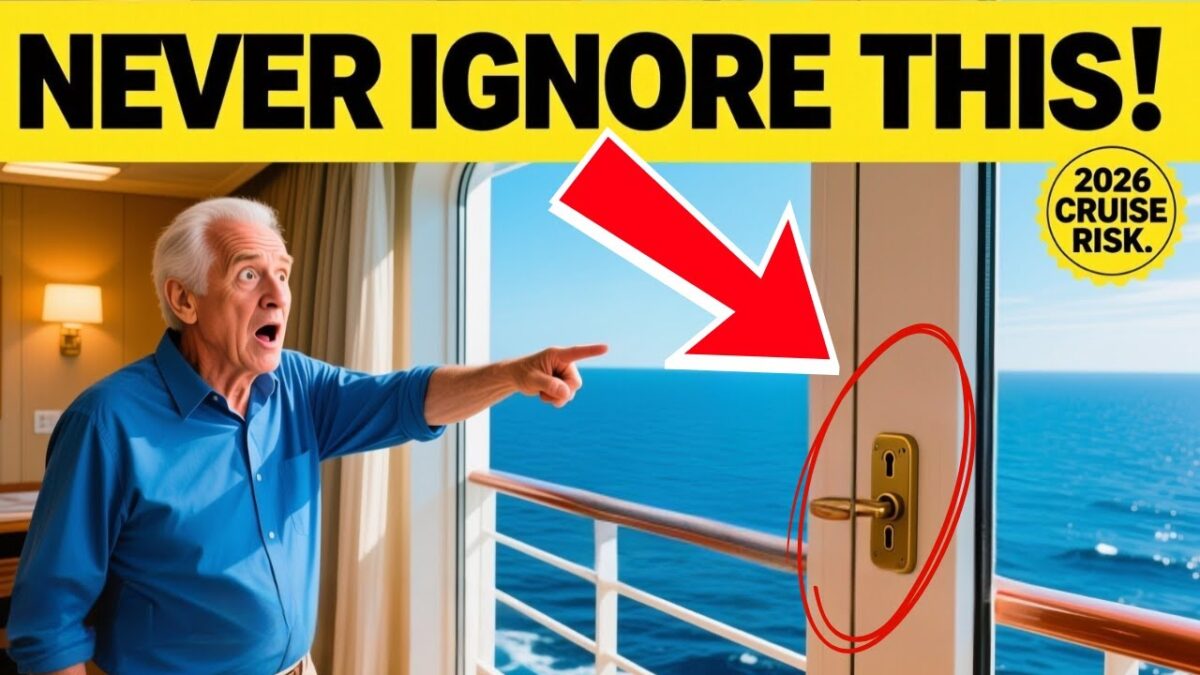
Strong wind gusts can slam balcony doors shut with enough force to shatter glass. Passengers have suffered serious injuries from glass shards, and some have been trapped outside their cabins during storms.
The bigger issue is what safety experts call “balcony creeping.” Determined thieves can climb between balconies, especially on lower decks where the gaps between railings make it possible. If you’re in an interior room for dinner and left your balcony door unlocked, you might return to find your cabin ransacked.
Modern ships have motion sensors on most balconies, but they’re not foolproof. The sensors are calibrated to avoid false alarms from wind and rain, which means they don’t always detect human movement.
Always lock your balcony door when you leave your cabin, even during the day. Close the curtains so people can’t see inside and assess what’s worth stealing. And never leave valuables visible from the balcony, including charging phones or tablets.
New Scams That Target Cruisers Before They Sail
The latest cruise scams don’t happen on the ship. They happen months before you even board, and they’re getting sophisticated enough to fool experienced travelers.
Fake cruise booking websites have exploded in the past year. They look identical to legitimate cruise line sites, complete with real ship photos and accurate pricing. The difference is subtle: slightly misspelled URLs or domains that end in “.net” instead of “.com.”
These sites collect your payment information, send you realistic confirmation emails, and disappear. You don’t realize you’ve been scammed until you arrive at the port and have no valid booking.
Another growing scam involves fake pre-cruise “mandatory” health screenings. Scammers send official-looking emails claiming you need to verify your vaccination status or complete health forms before boarding. The links lead to phishing sites that steal your personal information.
Social media cruise groups have become hunting grounds for scammers selling fake shore excursions, discounted cruise credit, and “exclusive” onboard deals. Some popular cruise ports like Belize, Trinidad & Tobago, Jamaica, Mexico & Haiti have elevated safety risks that scammers exploit by offering “safe” alternatives that don’t exist.
Book directly with cruise lines or established, licensed travel agents. If a deal seems too good to be true, it probably involves giving your credit card information to criminals.
Medical Emergencies and the $50,000 Reality
Here’s something cruise lines don’t emphasize in their marketing: you’re sailing in international waters where your domestic health insurance often doesn’t apply.
A medical emergency requiring helicopter evacuation can cost $50,000 or more. Heart attacks, strokes, and serious accidents happen regularly on cruise ships. The onboard medical facilities are basically urgent care clinics, not hospitals.
If you need surgery, intensive care, or specialized treatment, you’re getting airlifted to the nearest suitable port. From the middle of the Caribbean, that might be Miami. From the Mediterranean, it could be Rome or Barcelona.
Travel insurance that specifically covers cruise medical evacuations isn’t optional. It’s essential. But not all travel insurance includes cruise coverage, and many policies have exclusions for pre-existing conditions or activities like shore excursions.
The most overlooked medical risk is running out of prescription medications. If you take daily medications for heart conditions, diabetes, or other chronic illnesses, bring extra. Pharmacies in foreign ports may not carry your specific medications, and even if they do, getting prescriptions filled internationally is complicated and time-consuming.
Consider bringing a letter from your doctor explaining your medical conditions and medications. In multiple languages if you’re cruising internationally. This can be lifesaving if you need emergency treatment in a foreign port.
Preventing Overboard Incidents
Overboard incidents get massive media coverage, but they’re actually rare. What’s not rare is the risky behavior that leads to them.
Alcohol is involved in over 80% of overboard incidents. But it’s not just about being drunk. It’s about alcohol impairing judgment around railings, pools, and other areas where a fall could be fatal.
The most dangerous spots aren’t where you’d expect. Yes, balcony railings are obvious risks. But passengers also fall from hot tubs (especially when climbing in and out while intoxicated), from stairs near pools, and from outdoor deck areas during rough weather.
Taking selfies near railings has become a serious safety concern. Passengers climb on chairs, lean over barriers, and ask friends to hold their legs while they pose for dramatic photos. Ship security now monitors these areas more closely and intervenes when they see risky behavior.
Weather plays a huge role that passengers underestimate. Wet decks become extremely slippery, and wind gusts can knock people off balance. If the weather turns rough, go inside. Instagram photos aren’t worth your life.
Norovirus: The Preventable Plague
Norovirus outbreaks on cruise ships aren’t inevitable acts of nature. They’re usually the result of passengers not following basic hygiene practices.
The virus spreads through contaminated food, water, or surfaces. On a cruise ship with thousands of people sharing dining areas, elevators, and entertainment venues, one infected person can trigger an outbreak affecting hundreds.
Hand sanitizer alone isn’t enough. Norovirus requires soap and hot water to kill effectively. The sanitizing stations throughout the ship are convenient, but they’re supplementary to actual handwashing.
Buffet areas are particular risk zones. Passengers who are already feeling sick often continue eating at buffets, potentially contaminating serving utensils. Some cruise lines have moved to crew-served buffets partly for this reason.
If you start feeling sick during your cruise, notify the medical center immediately. They’ll provide treatment and, more importantly, help prevent the illness from spreading to other passengers. Don’t try to tough it out or treat yourself with over-the-counter medications.
Slip and Fall Hazards Nobody Expects
Cruise ships are essentially floating cities with unique hazards that don’t exist on land. Wet floors from pool areas and frequent cleaning create slip risks throughout the ship.
The most dangerous areas aren’t pools and hot tubs where you expect water. They’re the carpeted areas near pools where people walk with wet feet, creating invisible hazards for the next person walking by in regular shoes.
Elevator areas become particularly dangerous when passengers board with wet swimwear. The smooth floors combined with water create ice-rink conditions. Ships try to manage this with frequent mopping and warning signs, but accidents still happen regularly.
Stairs throughout the ship pose unique challenges during rough seas. What feels like a normal walk down stairs on land becomes a balance challenge when the ship is moving. Always use handrails, even if the seas seem calm.
Your choice of footwear matters more on a cruise ship than almost anywhere else. Flip-flops provide no support on wet surfaces. Dress shoes with smooth soles are nearly as dangerous. Pack shoes with actual tread and support for walking around the ship.
Smart Safety Strategies That Actually Work
The best cruise safety approach combines awareness with preparation. Start by researching your specific itinerary and ports months before you sail. Understanding the political and safety situation in each destination helps you make informed decisions about shore excursions.
Pack a basic first aid kit with bandages, pain relievers, anti-diarrheal medication, and any prescription medicines you take regularly. Bring copies of prescriptions and a letter from your doctor explaining any medical conditions.
Download offline maps for each port you’ll visit. Cell service is expensive and unreliable on ships and in foreign ports. Having offline navigation helps you stay oriented and find your way back to the ship independently.
Consider upgrading to a room with a window or balcony. Interior rooms can feel claustrophobic if you’re sick or injured and stuck in your cabin. Natural light and fresh air can significantly improve recovery from minor illnesses.
Learn basic phrases in the local language for each port, especially medical and emergency terms. “I need help,” “Where is the hospital?” and “I’m lost” can be lifesaving if you’re separated from your group or face an emergency on shore.
If you’re interested in understanding more about what items passengers commonly try to bring aboard (and why security catches them), check out our guide to things passengers smuggle on a cruise and why it never works.
Technology Safety Tips for Modern Cruising
Cruise ship internet is notoriously slow and expensive, which tempts passengers to connect to any available WiFi in ports. This creates serious security risks for your personal information and financial data.
Public WiFi in cruise ports is often unsecured or even set up by criminals specifically to steal information. Banking, shopping, or accessing sensitive accounts over public networks can expose your data to identity theft.
If you must use internet in ports, stick to basic browsing and avoid any activities involving passwords or personal information. Consider using a VPN service for additional protection.
Your phone’s roaming charges can be astronomical while cruising. International roaming rates can reach $20 per megabyte in some regions. Turn off automatic updates, photo uploads, and other data-heavy features before you sail.
Many experienced cruisers put their phones in airplane mode for the entire cruise and only use ship WiFi when necessary. This prevents surprise bills that can reach thousands of dollars for accidental data usage.
Cruise safety doesn’t have to be complicated, but it does require more thought than most people give it. The passengers who have the safest, most enjoyable cruises are those who prepare for realistic risks rather than worrying about dramatic scenarios they’ve seen in movies.
Start your safety planning now by researching your specific itinerary, investing in proper travel insurance, and packing smart. Your future self will thank you when you’re relaxing on deck instead of dealing with preventable problems.
Frequently Asked Questions
What should I do if I feel unsafe at a cruise port?
Return to the ship immediately or contact port security if you’re far from the dock. Don’t try to tough out an unsafe situation. Cruise lines track passenger safety in ports and can provide assistance or advice about safe areas to visit.
How much cash should I carry while exploring ports?
Bring only what you’re willing to lose, typically $50-100 per person for small purchases and tips. Use credit cards for larger purchases when possible, as they offer fraud protection that cash doesn’t provide.
Are cruise ship medical facilities equipped for serious emergencies?
Ship medical centers can handle basic emergencies and stabilize patients, but they’re not full hospitals. Serious conditions requiring surgery or intensive care will result in medical evacuation to the nearest appropriate port, which can be extremely expensive without proper insurance.
What’s the safest way to book shore excursions?
Book through the cruise line when possible. While more expensive, cruise line excursions include insurance, vetted guides, and guaranteed return to the ship. If you book independently and miss the ship’s departure, getting to the next port is your responsibility and expense.
Should I be concerned about crime on the ship itself?
Crime on cruise ships is relatively rare but does occur. Theft from cabins and sexual assault are the most reported incidents. Use cabin safes, travel in groups during late night hours, and report suspicious behavior to ship security immediately.