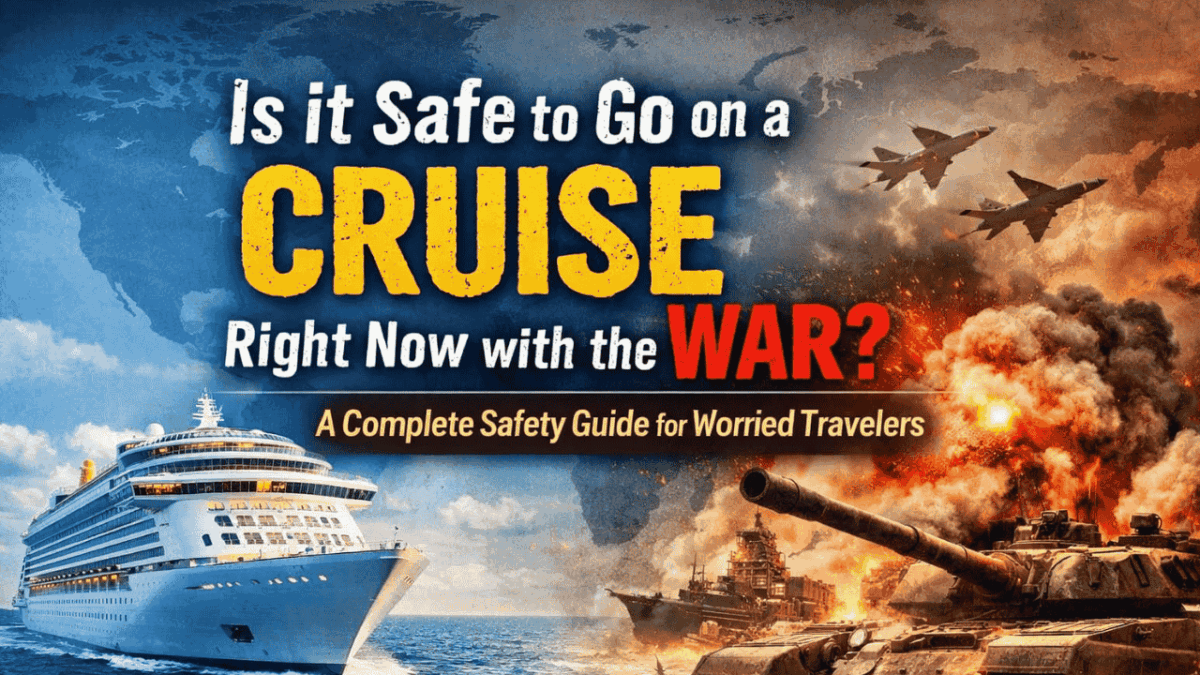
You’re not alone if you’re questioning whether it’s smart to book that cruise vacation while conflicts rage across multiple regions. With ongoing tensions in the Middle East, the Russia-Ukraine war, and various regional conflicts affecting global shipping routes, many travelers are asking themselves this exact question.
The short answer? Is it safe to go on a cruise right now with the war depends entirely on your destination, cruise line policies, and personal risk tolerance. Most cruise itineraries operate safely away from conflict zones, but some routes have been significantly impacted or cancelled entirely.
Table of Contents
- How current global conflicts actually affect cruise routes
- What cruise lines are doing to keep passengers safe
- Regional safety breakdown: Where to cruise and where to avoid
- Red flags: When to cancel or postpone your cruise
- Insurance and cancellation policies during uncertain times
- Making the decision: Personal risk assessment factors
- Smart booking strategies for uncertain times
- Alternative vacation options if cruising feels too risky
- Frequently Asked Questions
- Are Caribbean cruises safe during current global conflicts?
- What happens if my cruise gets cancelled due to war or conflict?
- Should I avoid Mediterranean cruises completely right now?
- How far in advance can cruise lines predict route changes?
- Is travel insurance worth it for cruises during uncertain times?
Let’s break down what you need to know to make an informed decision about your cruise plans.
How current global conflicts actually affect cruise routes
The cruise industry has faced unprecedented challenges with multiple conflicts simultaneously impacting different regions. The Middle East situation has forced cruise lines to completely cancel Red Sea and Gulf itineraries, while other conflicts have created ripple effects across the industry.
Six major cruise ships found themselves stranded in the Gulf region when tensions escalated, leaving thousands of passengers in an unexpected situation. This wasn’t just an inconvenience – it was a stark reminder of how quickly situations can change in volatile regions.
Which routes are currently affected:
The Mediterranean has seen some itinerary changes, particularly for cruises that previously included Eastern Mediterranean ports. Many cruise lines have shifted to Western Mediterranean focus, avoiding ports in regions where tensions run high.
Caribbean and North American coastal cruises continue operating normally, as these routes remain far from any conflict zones. The same applies to Northern European cruises, Alaska itineraries, and most Pacific routes.
River cruises through certain European regions have required extra scrutiny, though most continue without incident. The key is understanding that cruise safety risks vary dramatically by location and geopolitical climate.
What cruise lines are doing to keep passengers safe
Cruise companies have invested heavily in security protocols and intelligence gathering. They work closely with maritime security agencies, government authorities, and international shipping organizations to monitor global situations in real-time.
Most major cruise lines now employ dedicated security teams that assess risks continuously. These aren’t just basic safety measures – they’re comprehensive threat assessment systems that can trigger route changes within hours if needed.
Real-time route adjustments have become the industry standard. If intelligence suggests potential risks along a planned route, cruise lines will modify itineraries, sometimes while ships are already at sea. This happened repeatedly during recent Middle East escalations.
Communication protocols have also improved significantly. Passengers receive updates about any security-related changes, and cruise lines maintain constant contact with relevant embassies and consular services.
The industry learned valuable lessons from being caught off-guard by rapid conflict escalations. Now there’s much more proactive monitoring and contingency planning.
Regional safety breakdown: Where to cruise and where to avoid
Safest cruise regions right now:
Caribbean cruises remain the gold standard for safety during uncertain times. These routes operate far from any conflict zones and have excellent infrastructure for handling emergencies if needed. The political stability of most Caribbean nations adds another layer of security.
Alaska and Northern Pacific routes offer exceptional safety profiles. These itineraries benefit from strong maritime security presence and operate in waters with minimal geopolitical risks.
Mediterranean Western routes (Spain, France, Italy) continue operating safely, though some Eastern Mediterranean itineraries have been modified or cancelled.
Regions requiring extra consideration:
Eastern Mediterranean cruises need careful evaluation. While many operate safely, some itineraries that previously included Turkish or Eastern European ports have been adjusted.
Any cruise advertised as visiting Middle Eastern ports should be examined closely. Most reputable cruise lines have suspended these routes entirely, so if you see them offered, question the operator’s judgment.
Baltic Sea cruises generally operate safely, but keep an eye on any routes that venture too close to areas of tension. The cruise industry monitors this region carefully given the proximity to ongoing conflicts.
Red flags: When to cancel or postpone your cruise
Trust your instincts, but also look for concrete warning signs that suggest postponing your cruise plans. If your cruise line sends multiple itinerary change notifications within weeks of departure, that’s a clear indicator of ongoing uncertainty.
Government travel advisories carry significant weight. When the State Department or your country’s equivalent issues warnings for regions on your cruise route, take them seriously. Cruise lines often continue operating in areas where governments advise against travel, leaving you to make the final decision.
Last-minute port substitutions can signal problems. If your cruise suddenly swaps out multiple planned stops for alternative ports, ask yourself whether this still represents the vacation you wanted and paid for.
Communication blackouts from your cruise line about specific routes or security measures can be concerning. Reputable companies maintain transparency about safety protocols and changes. Companies that become evasive about security questions might not have adequate measures in place.
Price drops that seem too good to be true often reflect underlying concerns about route safety or stability. While everyone loves a deal, dramatic price reductions sometimes indicate that others are canceling due to safety concerns.
As one traveler noted in recent cruise safety discussions, “It wouldn’t be expected that any issue with either flight routing nor cruise itinerary might become an issue, where departing from Spain” – highlighting how departure location significantly affects risk levels.
Insurance and cancellation policies during uncertain times
Travel insurance has become absolutely crucial for cruise bookings during periods of global uncertainty. Standard cruise line cancellation policies often don’t cover cancellations due to war or political unrest unless specifically stated.
Travel insurance with “cancel for any reason” coverage costs more but provides maximum flexibility. This coverage typically allows you to recover 75% of your trip cost if you cancel for reasons not covered by standard policies.
Read your cruise line’s war and terrorism clauses carefully. Some cruise lines offer full refunds if they cancel due to security concerns, while others might only offer future cruise credits. Understanding these policies before booking prevents unpleasant surprises later.
Credit card travel protection can provide additional coverage, but don’t assume it covers war-related cancellations. Check with your card issuer about specific coverage for conflict-related travel disruptions.
Consider the timing of your insurance purchase. Many policies require you to buy coverage within a specific timeframe after your initial cruise deposit to receive full benefits.
Making the decision: Personal risk assessment factors
Your comfort level with uncertainty plays a huge role in whether cruising during current global tensions makes sense for you. Some travelers thrive on adaptability and don’t mind itinerary changes, while others prefer predictable experiences.
Age and health considerations matter significantly. If you have medical conditions requiring specific care or medications, cruising in uncertain times adds complexity. Remote ports might have limited medical facilities, and evacuation options could be restricted in some regions.
Travel experience affects your decision-making confidence. First-time cruisers might want to wait for more stable times, while experienced travelers often feel more comfortable navigating uncertainties.
Financial flexibility influences your options. If you can afford to lose money on cancellations or changes, you have more freedom to book optimistically. If your cruise represents a significant financial commitment, extra caution makes sense.
Family dynamics add another layer. Solo travelers or couples have more flexibility than families with children, elderly relatives, or group bookings with multiple parties to consider.
Smart booking strategies for uncertain times
Book with cruise lines known for transparent communication and flexible policies. The major cruise lines generally handle disruptions more professionally than smaller operators, though you’ll pay more for this reliability.
Choose itineraries with multiple backup port options. Caribbean cruises excel at this – if one island becomes unavailable, numerous alternatives exist. Mediterranean routes also offer flexibility, while more exotic destinations might leave you with fewer alternatives.
Avoid putting all your vacation eggs in one basket. If you’re planning a once-in-a-lifetime anniversary cruise to a specific region, consider whether you’d be satisfied with a completely different itinerary if changes become necessary.
Book closer to departure dates when possible. While this limits cabin selection and increases costs, it allows you to make decisions based on more current information about global situations.
Consider booking multiple shorter cruises instead of one long voyage. This strategy reduces your exposure to extended periods of uncertainty and gives you more opportunities to adjust plans based on evolving situations.
Alternative vacation options if cruising feels too risky
Land-based vacations in stable countries offer predictable experiences during uncertain global times. Domestic travel within your own country eliminates most geopolitical concerns while still providing vacation satisfaction.
All-inclusive resorts in politically stable regions can deliver the relaxation and service levels that draw people to cruises. Caribbean resorts, Mexican destinations, and established European resort areas continue operating normally.
River cruises in stable regions like Western Europe or the United States provide a cruise-like experience with more flexibility to adjust routes if needed. These smaller vessels can navigate situations that might challenge ocean-going ships.
Postponing major vacation plans until global situations stabilize isn’t admitting defeat – it’s being practical. Your dream cruise will still be there when conditions improve, and you might enjoy it more without underlying concerns about safety.
Many travelers find that waiting actually improves their eventual cruise experience. Cruise lines often offer excellent deals when booking reopens for previously restricted regions, and you’ll cruise with greater peace of mind.
When you do feel ready to cruise again, you’ll have learned valuable lessons about booking strategies, insurance coverage, and personal risk tolerance that will serve you well for future travel planning. Understanding hidden cruise safety risks becomes even more important during uncertain times.
The cruise industry has shown remarkable resilience and adaptability throughout various global challenges. Ships continue sailing, passengers continue enjoying vacations, and safety protocols continue improving. Your decision ultimately comes down to personal comfort levels and practical considerations specific to your situation.
Making an informed decision about cruise safety during current global conflicts requires balancing multiple factors: your risk tolerance, destination preferences, financial flexibility, and personal circumstances. The cruise industry continues operating safely in most regions, but certain routes require extra consideration or complete avoidance.
Take time to research your specific itinerary thoroughly, understand your insurance options, and choose cruise lines with strong safety records and transparent communication policies. If you decide to proceed with cruise plans, book smart and stay flexible. If you choose to wait, you’re making a reasonable decision that prioritizes peace of mind over immediate gratification.
Frequently Asked Questions
Are Caribbean cruises safe during current global conflicts?
Yes, Caribbean cruises remain among the safest cruise options during current global tensions. These routes operate far from conflict zones and benefit from political stability and excellent maritime security infrastructure throughout the region.
What happens if my cruise gets cancelled due to war or conflict?
Cancellation policies vary by cruise line, but most offer full refunds or future cruise credits when they cancel due to security concerns. However, if you choose to cancel due to personal safety concerns, you’ll typically need travel insurance with “cancel for any reason” coverage to recover costs.
Should I avoid Mediterranean cruises completely right now?
Western Mediterranean cruises (Spain, France, Italy) generally operate safely with minimal disruptions. Eastern Mediterranean routes require more careful evaluation, as some itineraries have been modified or cancelled due to regional tensions.
How far in advance can cruise lines predict route changes?
Cruise lines monitor global situations continuously and can make route changes within hours if intelligence suggests risks. However, they typically provide as much advance notice as possible – sometimes weeks or months ahead for major regional conflicts.
Is travel insurance worth it for cruises during uncertain times?
Absolutely. Travel insurance with comprehensive coverage, including “cancel for any reason” protection, provides crucial flexibility during uncertain global situations. Standard cruise line cancellation policies often don’t cover war-related disruptions unless specifically stated.